Home Blog

Hazukashii and Humiliation in Yukimura-ryū

0

女性は恥ずかしがると、とても綺麗になるんです。私はその瞬間を見るのが好きなんです。縄はそれを引き出すためのきっかけにすぎません。

When a woman becomes embarrassed, she becomes very beautiful.I like seeing that moment. The rope is only a trigger for bringing it out.

-Yukimura Haruki, interview in SM Sniper.

Yukimura sensei often spoke about the beauty of a woman’s embarrassment in rope. Yet the meaning of that idea can be surprisingly difficult to translate for Western practitioners.

On March 1st, I was honored to appear on a discussion panel for memorializing the 10th anniversary of Yukimura sensei’s passing. To begin the conversation, Ugo invited NuitdeTokyo (Harukakeru), Himora Eve (Haruyoi), Ibarako (Harumayu), and myself (Haruyutaka), to reflect on how our approach to Yukimura ryū has changed over the past decade.

My answer was based on a realization I had shortly after I opened LA Rope and began teaching Yukimura style shibari. Because how we practice rope in the West differs in many ways from how it is practiced in Japan, I had to do one of two things.  Either I would need to adapt Yukimura ryū to Western students or I would need to adapt Western students to Yukimura ryū. I chose the latter.

Part of what that has meant for my teaching has required some effort at translation of concepts that are at the heart of Yukimura-ryū.  One of the things Yukimura sensei emphasized to me was that part of Yukimura-ryū was learning all you can and then making it your own. I am sure I have done that, perhaps unintentionally, for good or for ill. I can’t do more than pass on what he shared with me, incomplete as that may be, and continue to listen and learn from those who had more time with him.

Each time I visit Japan, I take away so many lessons from my senpai hearing them talk, tell stories, and watching them tie. This trip was no different. It is always humbling to see and hear how much they know and recognize how little I know about sensei’s rope.  But as they say in Japan, 頑張ります, I will do my best.

This writing is an effort to help those who have an interest in Yukimura-ryū to better understand a core concept in this style of tying.  I hope it does justice to his memory and helps grow our understanding of Yukimura-ryū, especially in the West.

Understanding Hazukashii

The Japanese word hazukashii (恥ずかしい) can be translated as “embarrassing,” “shy,” or “bashful,” and carries with it a very rich emotional tone. It may best be described as a feeling of self-consciousness, exposure, or vulnerability, and as an awareness of being seen. 

In Yukimura’s style of rope play, hazukashii doesn’t carry with it some of the darker connotations that we think of as humiliation in the West, such as degradation, ridicule, or even cruelty and that difference is important.

When someone feels hazukashii they might say they feel shy, exposed, or embarrassed or comment that “you are making me blush.”  Emotionally, the tone is intimate, but also playful and reveals a kind of emotional opening more than a loss of dignity, moral shame, or transgression.

Within Yukimura-ryū, the feeling of hazukashii marks an important turning point in a rope scene. Within this style, a rope session can be seen as a journey, where the person being tied experiences an inner emotional movement, going from resistance to exposure, ultimately evolving into feelings of surrender and release.

It is a progression that provides an emotional arc as well as a story, where the inner state of the model shifts and becomes more open as the story builds.

Hazukashii is a key part of this movement and has an emotional tone that often combines feelings of being exposed both physically and emotionally. Hazukashii is about being emotionally seen and vulnerable in front of the person tying (or in a performance, in front of an audience).

In a sense, hazukashii might best be described as a feeling of emotional nakedness.

Hazukashii and Humiliation

Of course, both Western and Japanese rope traditions include a wide range of emotional dynamics. The distinction I want to make here highlights a common pattern rather than some kind of absolute rule. The point I want to make is not that humiliation play doesn’t exist in Japanese rope (it absolutely does), but to clarify a concept that is especially important in Yukimura’s style of rope and distinguish it from other forms of emotional play, both in Japan and the West.

In Western BDSM, humiliation generally refers to a particular kind of emotional structure, often delving into feelings of a loss of status, ridicule, degradation, objectification, or intentional embarrassment. It can be seen as an attack on a person’s sense of self and can target self-esteem and the ego.

The core of this kind of humiliation play is about hierarchy and domination, and can involve things like insults, forced activities designed to humiliate, ridicule, and results in a loss of status for the submissive. Humiliation is an infliction of emotional distress done by the dominant partner to the submissive with the intention of affecting them on a personal level.

It is important to note that humiliation play within Western BDSM is not a single, uniform experience. In practice it can range from harsh forms of degradation and power exchange to much lighter dynamics involving playful embarrassment, teasing, or exhibitionism. Many scenes that Western practitioners describe as humiliation may, in fact, resemble forms of teasing or flirtation that overlap with what might be experienced as hazukashii in Japanese contexts. 

The distinction I want to draw here is a difference in emphasis rather than some kind of an absolute cultural divide. Rather than suggesting that humiliation play is unique to the West or absent from Japanese rope traditions, I want to explore how the emotional tone associated with hazukashii in Yukimura-style rope can often differ from the harsher connotations that the term humiliation can carry in English.

The key distinction is therefore not simply the presence of embarrassment, but how that emotional exposure is framed within the interaction between the participants and how it is processed by those engaged in play.

This is where the two concepts, hazukashii and humiliation, diverge.  Hazukashii is fundamentally an internal effect, which emerges from the emotional response of a person being tied, where humiliation is the result of an external act that is imposed on the person being humiliated. 

Hazukashii is, at its heart, relational, emerging from a feeling of intimate exposure and being seen, where humiliation often operates within hierarchical dynamics emphasizing power or authority exchange. Hazukashii arises from within the person experiencing it whereas humiliation is the result of something being done to someone.

A second key difference has to do with the moral weight attached to each concept. Where humiliation carries with it an implication of moral shame, hazukashii lacks that particular nuance.

Japanese culture has sometimes been described by anthropologists as a “shame culture,” emphasizing social awareness of how one is perceived by others. Although later scholars have complicated this distinction, the framework remains useful for understanding how emotions such as hazukashii arise through awareness of social perception in a relational context.

Harmony and balance are seen as culturally important values and require a sense of being able to read the responses of others to one’s behavior.

In contrast, Western cultures tend to emphasize guilt, which is more about violating internal moral rules. It challenges the sense of a moral self, asking the question “What kind of person am I?” versus “How do people see me?”

Because of this difference, Western audiences sometimes interpret hazukashii as moral shame, rather than social shame, which complicates how we integrate it into our interactions in rope scenes.

These differences present an interesting reversal.  Where hazukashii represents an internal emotional state that is judged externally (socially), humiliation is an external imposition that is evaluated internally based on one’s personal moral, rather than social, values.

Hazukashii as Play

結局のところ、僕がやってるビデオは、SM「プレイ」やないですか。プレイやから、遊びやからね、女の子の様子見なから、楽しくやっていかんとね。

Ultimately, what I am doing in these videos is SM “play.” Because it is play, one must watch the woman’s reactions and proceed in a way that keeps the experience enjoyable.

-Yukimura Haruki, SM Sniper, June 2002

Another important aspect of Yukimura style rope is the concept of play, or asobi (遊び). While some traditions of SM emphasize seme (責め), or torment, Yukimura-style rope places greater emphasis on movement, expression, and communication between the person tying and the person being tied.

In this context, hazukashii can be teasing, flirting, performance, or even just emotional expression and may reveal itself as blushing, hiding one’s face, playful embarrassment, or shy laughter or giggling.

It has an emotional tone much softer than Western humiliation scenes.

When hazukashii is translated as humiliation in Western rope communities, several potential misunderstandings can occur.  Scenes can become more harsh than was intended and models can feel emotionally misread. As a result, the emotional subtlety disappears and the delicate tension between resistance and surrender is replaced by force, coercion, or overt domination.

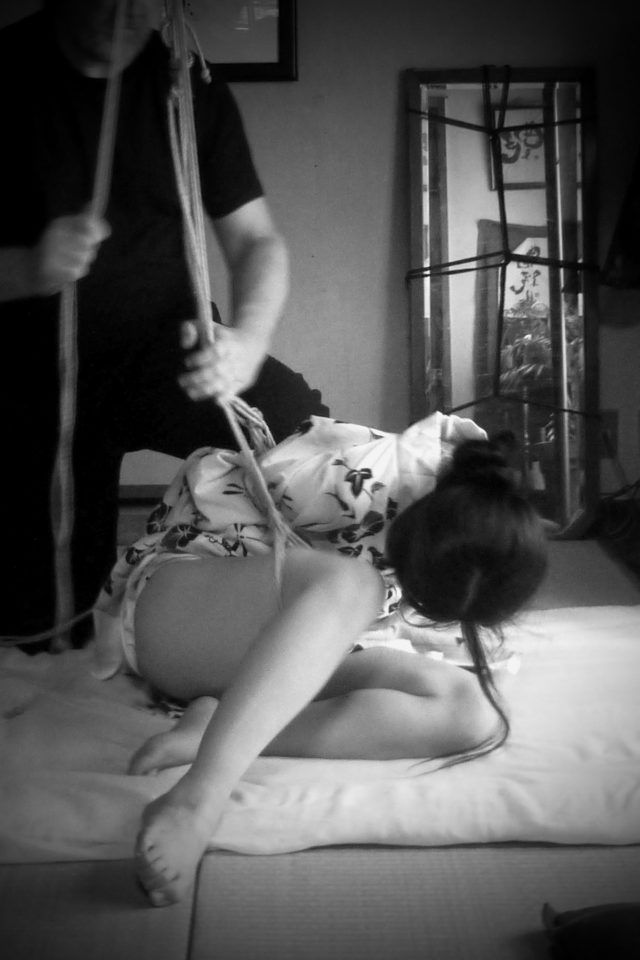
Within Yukimura-ryū, the emergence of hazukashii is often closely tied to the moment when the model becomes aware of her own reactions in the rope. The person tying does not simply impose a situation on the model but instead observes and responds to these reactions as they appear. Small gestures such as hiding the face, laughing nervously, turning the body away, or briefly resisting the rope are often treated as meaningful expressions rather than problems to be corrected. In this sense, the rope becomes less a tool of restraint than a medium of communication, revealing an emotional dialogue between the two participants.

These reactions are not typically signs of humiliation or degradation, but expressions of self-conscious vulnerability. The model becomes aware of their own emotional exposure and responds with gestures that resemble bashfulness or playful embarrassment. Observing these moments closely reveals that the emotional dynamic of the scene is not centered on force or domination, but on the delicate tension between exposure and intimacy.

If Western humiliation is like being laughed at on stage, hazukashii is more like realizing the spotlight is suddenly on you and everyone can see your feelings.

Both involve exposure. But one is ridicule, while the other is vulnerability.

Conclusion

The Japanese notion of hazukashii may translate poorly into Western BDSM vocabulary, especially in the context of humiliation play,  because it occupies a different emotional category.

Where Western humiliation centers on power, degradation, and hierarchy, hazukashii centers on self-awareness, vulnerability, and relational intimacy.

Understanding this distinction may help Western rope practitioners approach Japanese-influenced rope not primarily as a form of humiliation play, but as an exploration of emotional exposure, relational awareness, and shared vulnerability.

This emotional quality also resonates with a broader pattern found in Japanese aesthetics, where beauty often emerges from moments of subtle vulnerability or incompleteness. Rather than emphasizing domination or spectacle, many traditional arts cultivate a sensitivity to fleeting expressions and delicate emotional shifts. In this context, the moment when a model becomes aware of her own embarrassment can be understood not as humiliation, but as a small aesthetic revelation. The rope scene becomes less about control and more about the shared recognition of a fragile emotional moment as it appears and passes between the participants.

In this sense, hazukashii functions less as a form of humiliation and more as a moment of aesthetic awareness within the shared play of rope.

New Class: Resistance, Shame, and Play: Key Elements in Yukimura Style Shibari

0

Yukimura style shibari is often referred to as “model centric” based mainly on the understanding that communication with the person you are tying in the most essential part of any scene.  Accordingly there are some key concepts that emerge as a result of that philosophy.  In this class, we explore central tenets of Yukimura style shibari that result in powerful and intimate rope scenes.  Each of the three main concepts: resistance (teikou), shame (hazukasii), and play (asobi) will be discussed and then illustrated through basic rope exercises and hands-on ties.

We will explore several methods for both creating and overcoming resistance, how to create and manage vulnerability and shame, and what elements can be used to create what Yukimura called a “rope game” (nawa yugii) as a way to play with your partner and explore fantasy and imagination in rope.

This class explores the role of both the person tying and the person tied in this style of play, including the question I am most frequently asked by rope bottoms, “How should I react to being tied?”

The first hour of class will explore these concepts and the second hour will be “free play” time to put these ideas into practice.

Remembering Yukimura Sensei (March 2026)

0

This past weekend (February 28-March 1) was a celebration of the memory of Yukimura Haruki’s life and work. Though he passed ten years ago, his memory is very much alive here in Tokyo and around the world.

It has been amazing to see so many memorials across the world.

Sadly, in January of this year, Yukimura Ryuu lost two of its instructors, Master K and Hebari. 

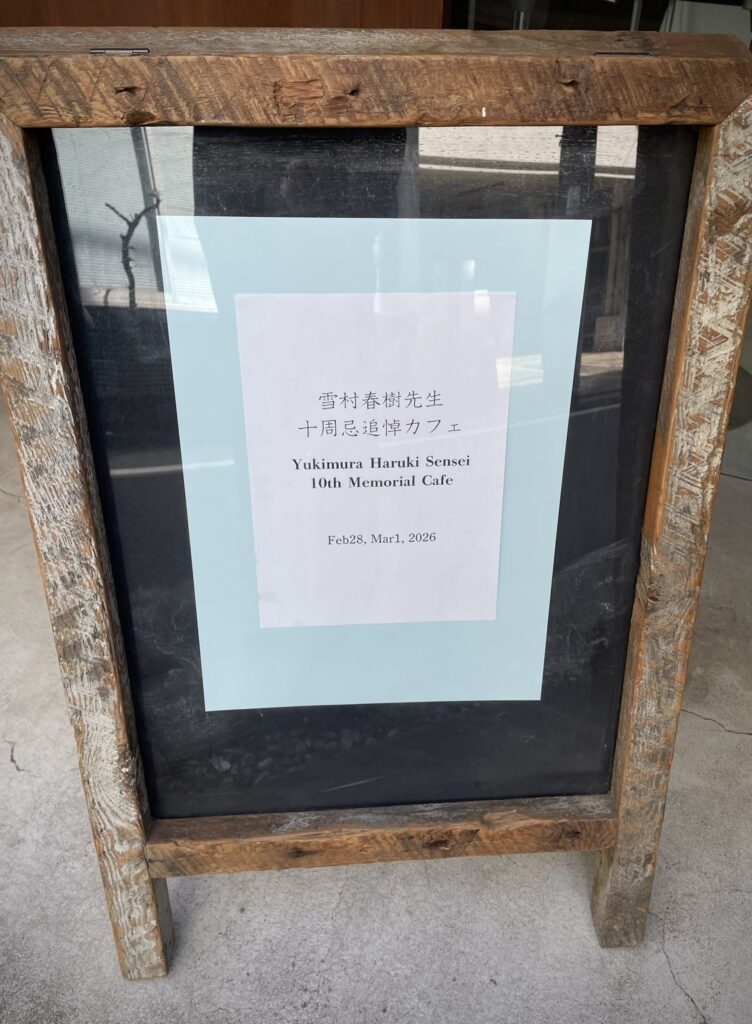
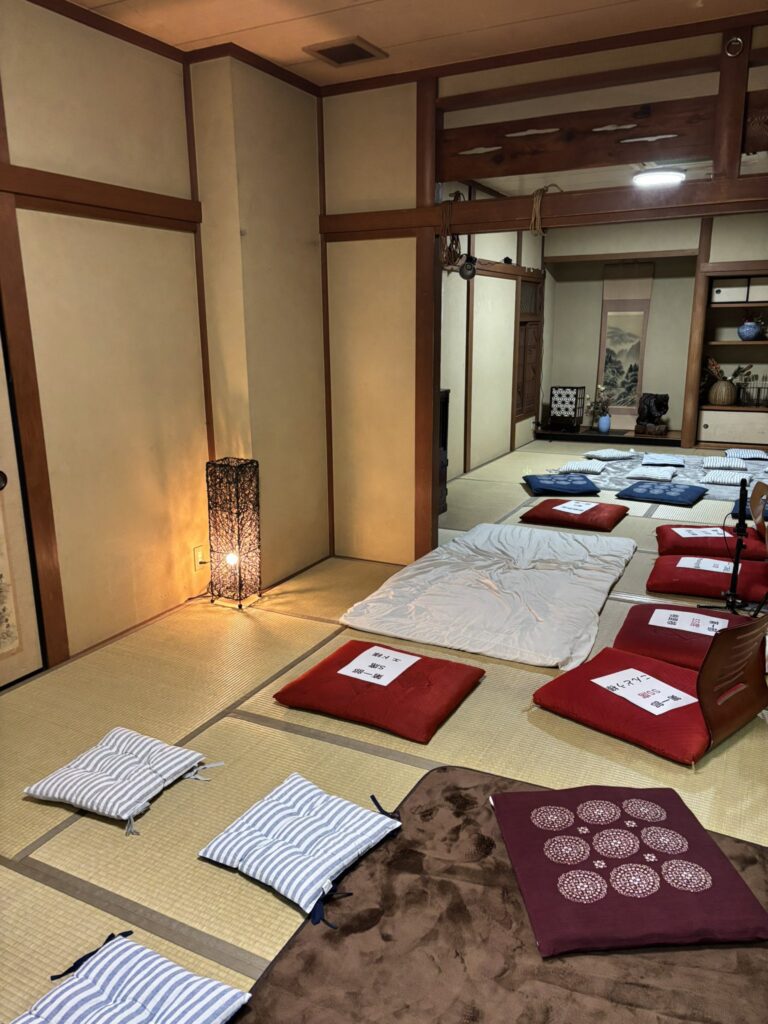
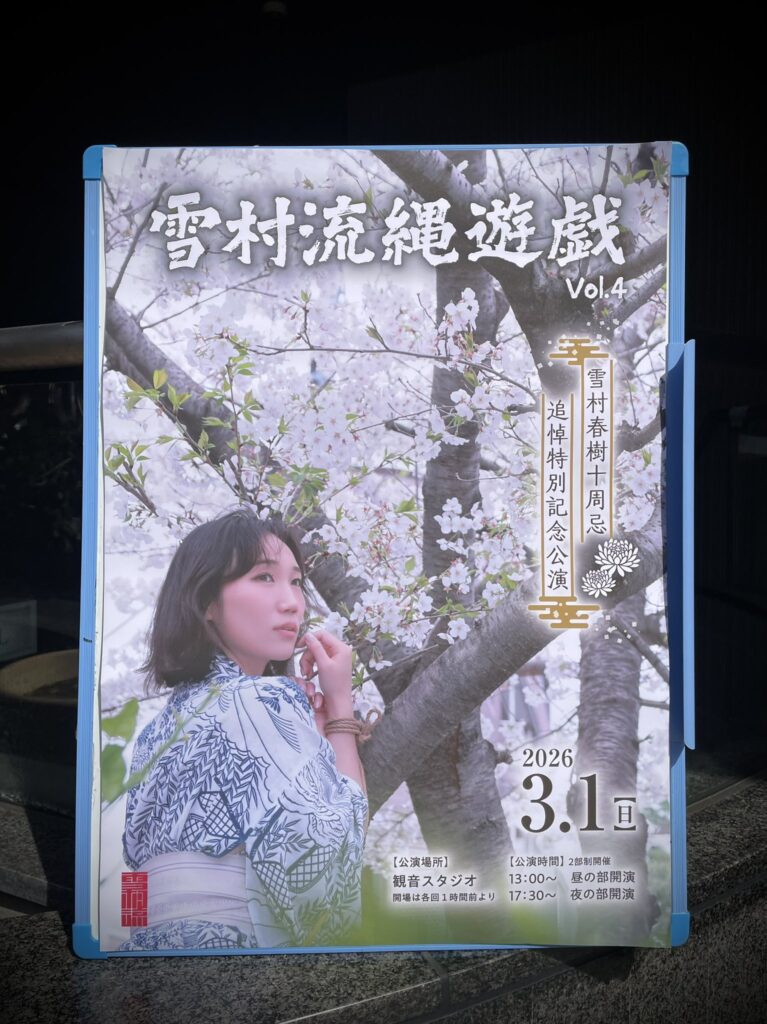
There were two events I was lucky enough to be able to attend. A cafe held by Murasaki san and the 4th Nawa Yugii, hosted by Ibarako san and Himuro Eve san. 

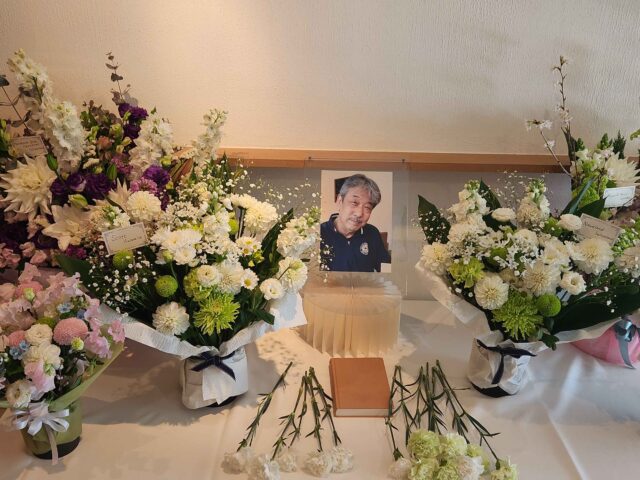
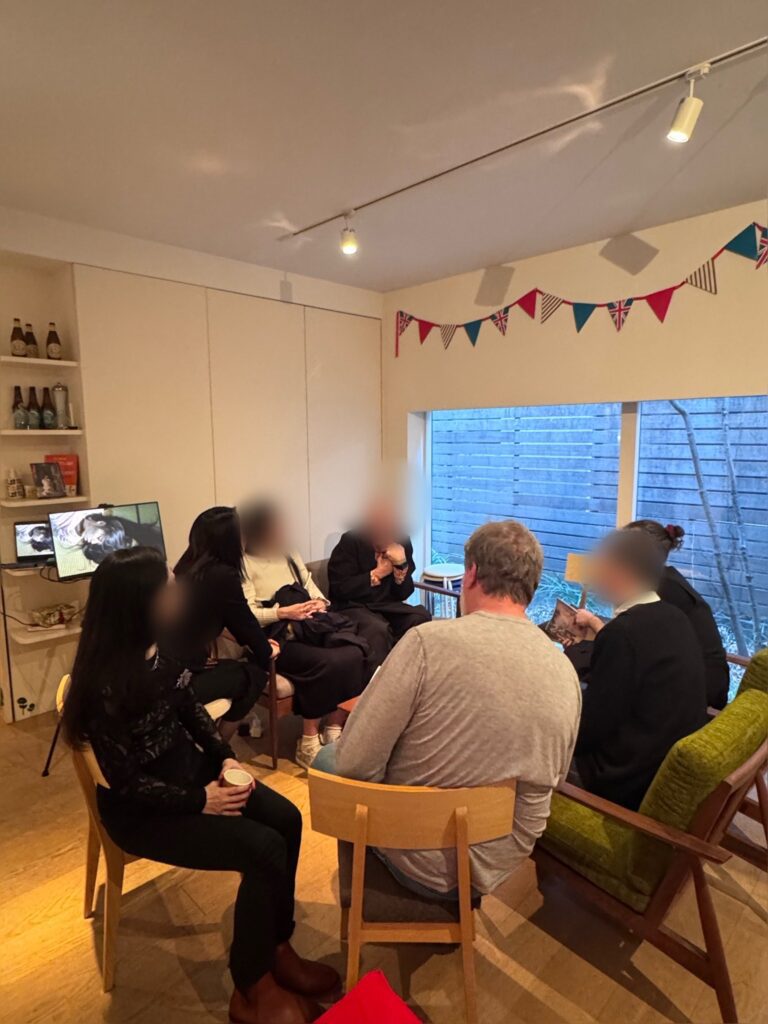
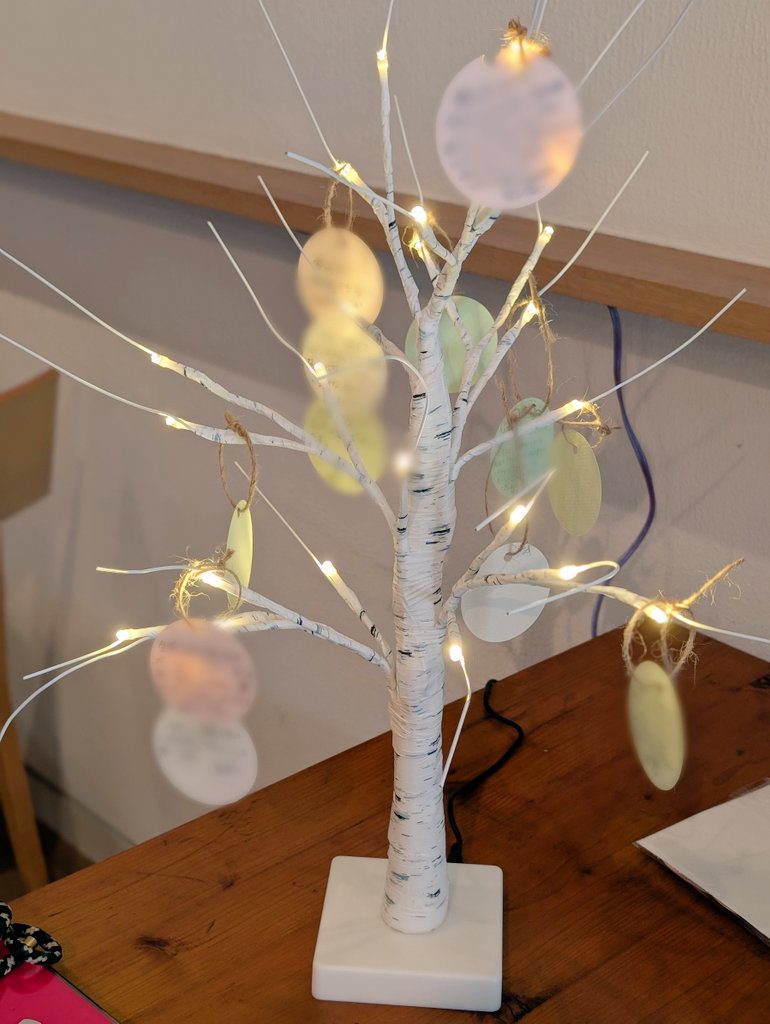
During the cafe, we were able to meet and talk and share memories of sensei. It was an opportunity to see old friends and make some new ones. Murasaki san arranged a collection of photo books and videos and there were plenty of snacks, bento, and drinks.  Memories were offered at a table at the entrance, with the opportunity to place a flower and there were messages sent from all over the world.  After the event, the message board was shared with Yukimura sensei’s son, who shared it with sensei.

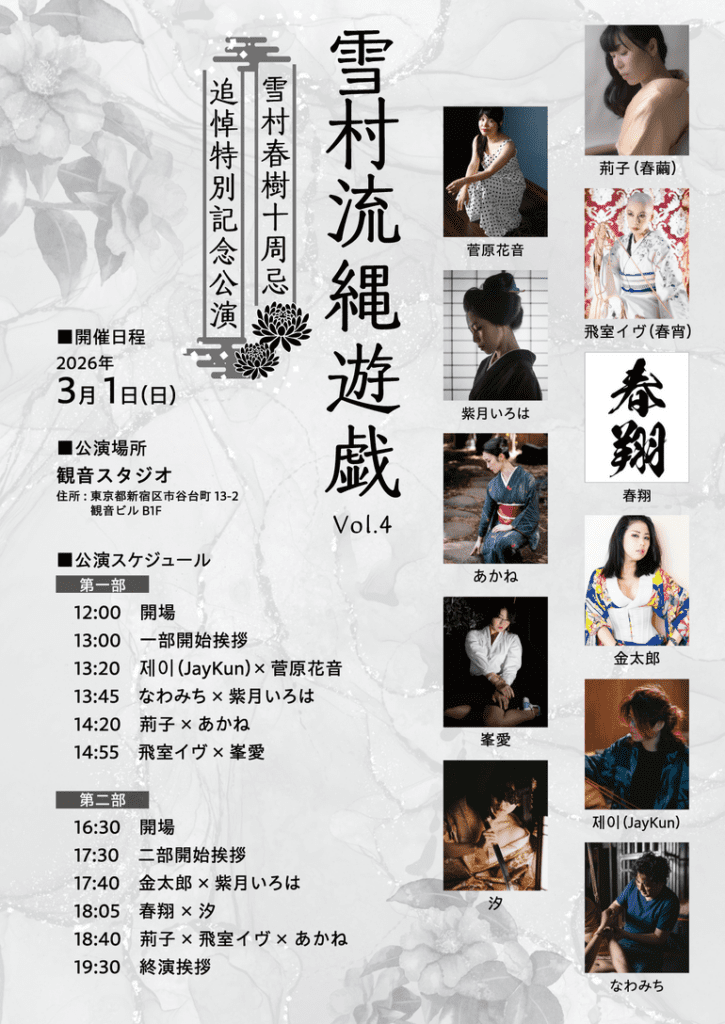
On Sunday, we met in a studio in Shinjuku for a day of performances of Yukimura Ryuu, featuring the rope of both older members of Yukimura Ryuu and the next generation of students who are keeping the tradition going.

The first part of the show featured Jay Kun san  tying Kanon Sugawara san (in her last performance), Nawamichi san tying Iroha Shizuki san, Ibarako san tying Akane san, and Himuro Eve san with Ai Mine san.  Each performance showed off different aspect of Yukimura style and 

Before the second part, Ugo gave a talk documenting Yukimura sensei’s history going back this days before rope when he worked as a photographer, director, actor and, surprisingly, as a TV anchor!  In typical fashion, Ugo dug up many amazing resources and wove it into a story that was full of fascinating details, ending with Yukimura’s development of his own personal rope style and the influence of Minomura Kou.

There was a panel discussion, with Ibarako san, Himuro Even san, Nuitdetokyo, and myself talking about how Yukimura Ryuu has changed over the past decade as well.

sched 1

Part two of the show featured Kintaro san tying Iroha san, Nuitdetokyo san with Shio san, and, for the finale, Ibarako san and Himuro Eve san teaming up and tying Akane san!

It was a wonderful celebration of sensei’s life and the vibrance, beauty, and enthusiasm of not just the performances, but of the discussions and memories that were shared give proof to Yukimura sensei’s legacy we alive, well, and thriving.

New Class: Yukimura Style Single Rope Ties

0

Starting in August, LA Rope will be offering a new class of single rope ties in the style of Yukimura Haruki sensei.

This class builds on our two beginner classes (Hands in Front and Hands Behind Ties), but exploring how those basic foundations can be used to create more advanced ties by utilizing these basic constructions and different body positions to develop better communication and intimacy using rope.

The class begins with a refresher on the basic hands in front tie (which we will use for most of the class) and then moves on to three ties that use this as a foundation:  Momo (Peach) Shibari , a one rope Tengu (Demon) tie, and the Kani (Crab) open leg tie.   Finally, we will explore two versions of Yukimura’s open leg tie, the first utilizing the hands in front tie and the second using the hands behind tie (gote).

While no prior experience is required, students will find it helpful to have take either or both of the other two beginner classes.

Beginners always welcome. We have rope to loan for class as well as for purchase. It is recommended you come with a partner. Individuals are welcome but we can not guarantee a tying partner will be available.

Cost: $25 per person, in advance. No tickets at the door. If you are buying as a couple, please order together as this event always sells out and we cannot admit over our capacity once class is full.

Tickets are for this event only and cannot be refunded or exchanged once purchased.

Akechi Denki and the Secrets of Shibari

0

Tickets available here

One of the most important figures in the history of shibari is Akechi Denki.  Akechi sensei passed away on July 17, 2005 and we will be celebrating his memory with a viewing of his video “Secrets of Shibari.”  The video has been described as a “why to tie” instead of “how to tie” video and offers insight into his approach to rope and how he viewed the connection between the person tying and those who were tied by him.

Secrets of Shibari is an extremely rare video (almost impossible to find) and will be shown subtitled, with captions created by a well known rope historian and friend of Akechi Denki.

The event will open with a brief lecture about his approach to rope, his importance and influence, and an overview of his legacy.  There will also be an opportunity to view several photo books of his work and purchase videos of his two Bakuyu Kai videos and several rare videos from his legendary Phantom shows.

Join us July 15th to celebrate his memory, life, and work.  

Beginner Classes: LA Rope

0

Each month, we offer two beginner classes. These classes are designed to give a basic background in the history, context, and background for the practice of shibari, provide some basic safety concepts, and an understanding of the various types of rope we use to tie.

The bulk of the class is spent learning basic ties. Within the Yukimura school of rope, we focus on two primary elements of tying: First, a very minimalist approach, focusing on what we can do with a single rope with ties that are easy to learn and easy to remember. Second, we focus on the emotional and intimate connection different ties can create. Ideally, you should leave class with ties you can use immediately, but which also have enough depth to allow you to explore shibari for lifetime!

The two classes we offer are also designed to teach fundamental constructions that will come up again and again if you continue to study.

The classes do not need to be taken in any particular order:

Hands In Front Ties

This class focuses on a basic hands in front wrist tie that allows for a variety of different positions, ranging from tight, hugging compression ties to ties that create feelings of exposure and vulnerability. In learning this tie, we experiment with issues of timing, tension, distance, touch, and curating emotional experiences. Using a variety of ties and positions, we also look at the various ways rope can be used to create construct scenes and be used to enhance communication.

Hands Behind Ties

This class focuses on the Yukimura style one rope gote (gote simply means “hands behind”) and is one of the core ties that we use in more advanced classes, all the way up to full suspensions. This class breaks down the various elements of the hands behind tie back tie to better understand the psychological and emotional effects that can be created in even the most basic rope scene.

Shibari for Sex

This class introduces three basic ties/positions that can be used for erotic purposes. The goal of this class is to show how shibari can create different headspaces to create more intense sexual and erotic experiences. This class introduces three to four ties which provide both a gradual build up of erotic intention as well as final poses that are useful for erotic activity.

Yukimura Style Predicament Ties

0

In June, we will be offering a new intermediate workshop introducing as style of “predicament ties,” based on Yukimura’s style of rope bondage. This is an intermediate level class and requires either experience with our beginner classes or experience with basic ties in a traditional Japanese style.

The class explores various points of connection (renketsu) on the body as a way to link different ties together to create erotic predicaments.

Because of the advanced nature of the ties, the class is limited to five couples.

Participants must be comfortable with crotch rope (matanawa) and neck rope (kubinawa) ties and must have at least one length of their own rope (or be willing to purchase one at the time of class) for crotch ties. Students should also have something to cut rope with (safety shears, rescue hook, etc).

The class will have three sections: basic philosophy behind predicament ties, instruction on the ties themselves, and practice time.

The ties we will cover:

Gote suwari ashikubinawa renketsu (Seated hands behind tie, ankle to neck connection)

Gote suwari matanawa renketsu (seated hands behind, crotch rope connection)

Gote kubinawa renketsu (Hands behind connected to neck)

Hashira Kubinawa Gote renketsu (Wrists to neck tie w/Hashira)

Jowan matanawa renketsu (Upper arm, crotch rope connection)

Gote matanawa renketsu (multiple versions) (hands behind, crotch rope connection)

Momoshibari with matanawazuri (wrist to ankle tie with crotch rope suspension)

Tying Megan Thee Stallion for “Hiss”

0

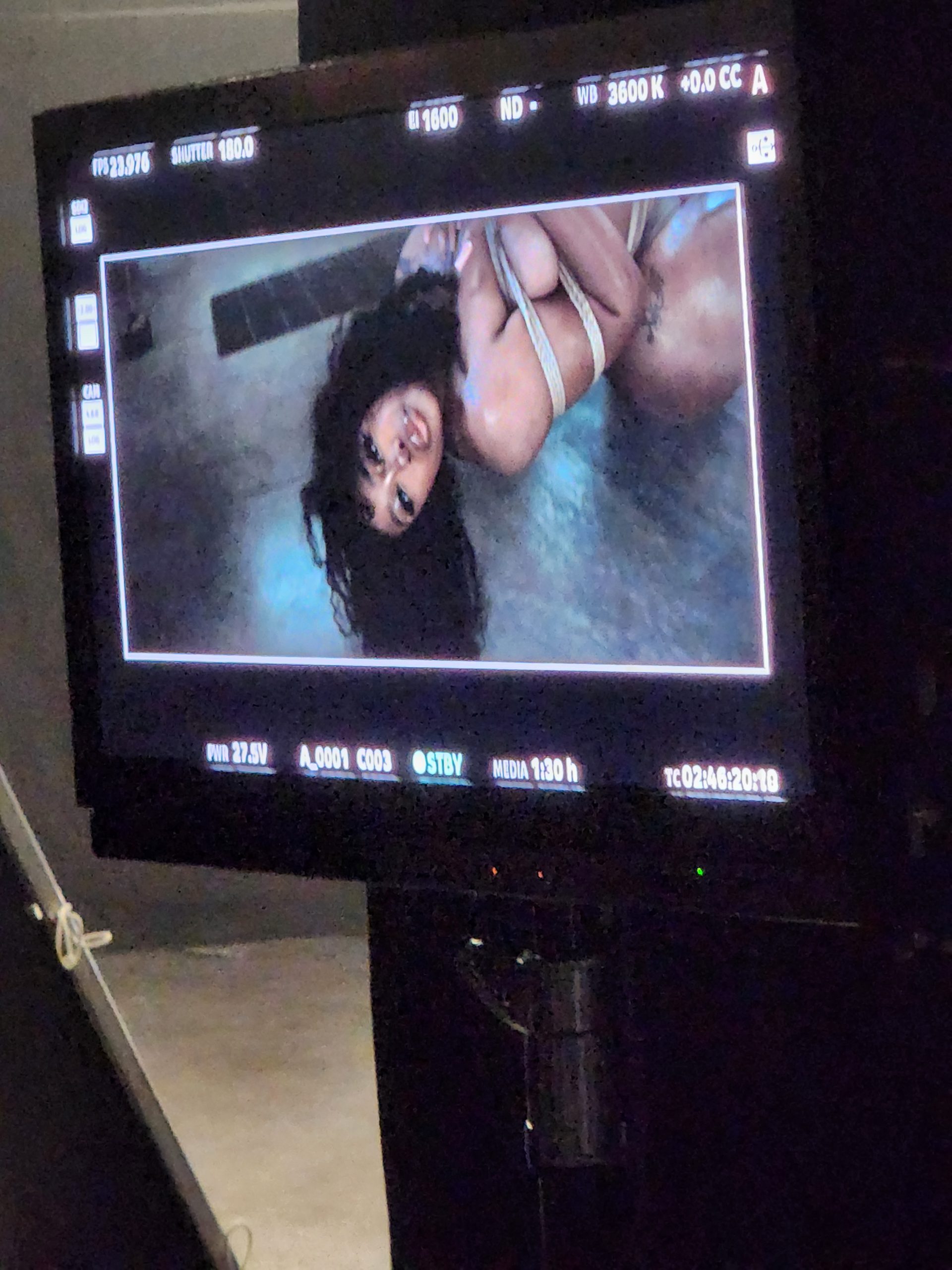
The latest video from Megan Thee Stallion features rope by LA Rope. Well, not “rope” exactly. Tied with red surgical tubing and suspended inside a translucent egg, it was a day filled with fun, challenges, and some extremely creative ties.

From the studio press release:

The visually captivating music video serves as a sequel to ‘Cobra’ released in
November of last year, which Douglas also directed. ‘Hiss’ features Megan’s
powerful alter-ego, Tina Snow, and conveys metamorphosis through symbolic set
design and alignment with the powerful lyrics.

Symmetry is a key element in ‘Hiss’, emphasising the duality between Megan and
Tina. This thematic divide is evident in a camera split effect of the pair, achieved
through consciously crafted hair and makeup, cinematography and editing. The
video also leans into VFX and technical camera work, such as a facing a mirrored
room reflecting both of her personas back to the audience.

Douglas once again showcases his ability to seamlessly blend cultural nuances
with striking storytelling. Douglas consulted with Shibari experts, inspired by
Japanese pop culture, and referenced the cult anime film Perfect Blue, which
explores the difference between persona and true self.

‘Hiss’ is the latest solo release from Megan through Hot Girl Productions – the
artist’s independent music and entertainment entity.

Emotion and Communication: Building Rope Progressions

0

Too often, rope classes focus on ties, patterns, and technique, without really delving into how those ties can be used to create emotion, feeling, and communication between partners. One of the ways to start thinking about tying with more emotion is to focus on the concept of progressions.

Rope progressions as we teach them at LA Rope, generally speaking, have four components that create a story and allow the person tying to express a particular intention and the person being tied the opportunity to respond to that intention.

The four aspects we study are:

Anticipation

How to you build an emotional and psychological context for what is to follow. Right from the beginning, you should be laying out the framework for the culmination of your intention in the final aspect of the tie.

Layering

Once you build the anticipation, the next step is to slowly add to the tie. Each layer you add, whether it be with rope, words, positioning, or touch, helps guide your partner into the headspace that you are working to create for them.

Climax

The climax is the high point of the progression and should represent the fulfilment of your intention. It is what brings all the anticipation and layering together and offers a surprise or twist to the scene.

Release

Once we complete the tie, we begin the process of untying and releasing them. It is important to pay as much attention to untying as you do to the tying. Release is not just a physical experience, but a psychological and emotional one as well.

Putting those four aspects together gives us the basic building blocks to create a rope scene or progression. But this is not just the process of moving from one tie to the next, with a preset plan.

While your intention will remain consistent throughout the scene, how you realize it is always open to change. We watch and see how our partner responds to each rope and adjust accordingly to find the best way to create the emotional context we want to develop.

With each step we take, we need to keep a close eye on how our partner responds and follow their energy to build the most powerful context we can to allow our intention to be expressed.

Observation and attention is just as important, perhaps even more important, than the ties themselves.

Our next intermediate workshop: Emotion and Communication focuses on taking your ties to the next level.  We will use four basic ties to create a progression with particular attention to how to create a sense of anticipation, layering, and surprise in a tying session.

We will spend the first hour working through a set progression, with the second half of the class focused on having students create their own progression, using their favorite ties.

Limited to five couples.

Students should have basic experience with Yukimura style ties, from either the Hands In Front Class or the Hands Behind Class.

Shooting SZA’s “Kill Bill”

0

Every so often I get the opportunity to tie for a video or film. As I often talk about in classes, it can be a complicated process because your job (and it is a job) is not to tie any way you like, it is to bring someone else’s vision to life. Unusually that is a photographer or director. In this case it was different. The person who wanted the rope bondage scene in the video was the artist herself, SZA.

I was given a photo that she liked and told that was what she wanted. To replicate that tie as closely as possible.

One of the toughest parts about a job like this is managing some of the relationships and expectations. I was told at the beginning that the on set professional riggers would handle the actual suspension, using a harness and wires and that the rope would be overlayed and the harness and wires would be removed in post.

My first task was to convince them that it would be a lot easier just to do the suspension with rope. It took some discussion and assurances about safety and comfort, but eventually the team signed off on the idea.

Second up was the rope itself. Another round of debates and I once again managed to convince them that using jute would not only make it look better and photograph, well, but that it also feel better for this particular tie.

20221221 120755
Tying the stand in for final review

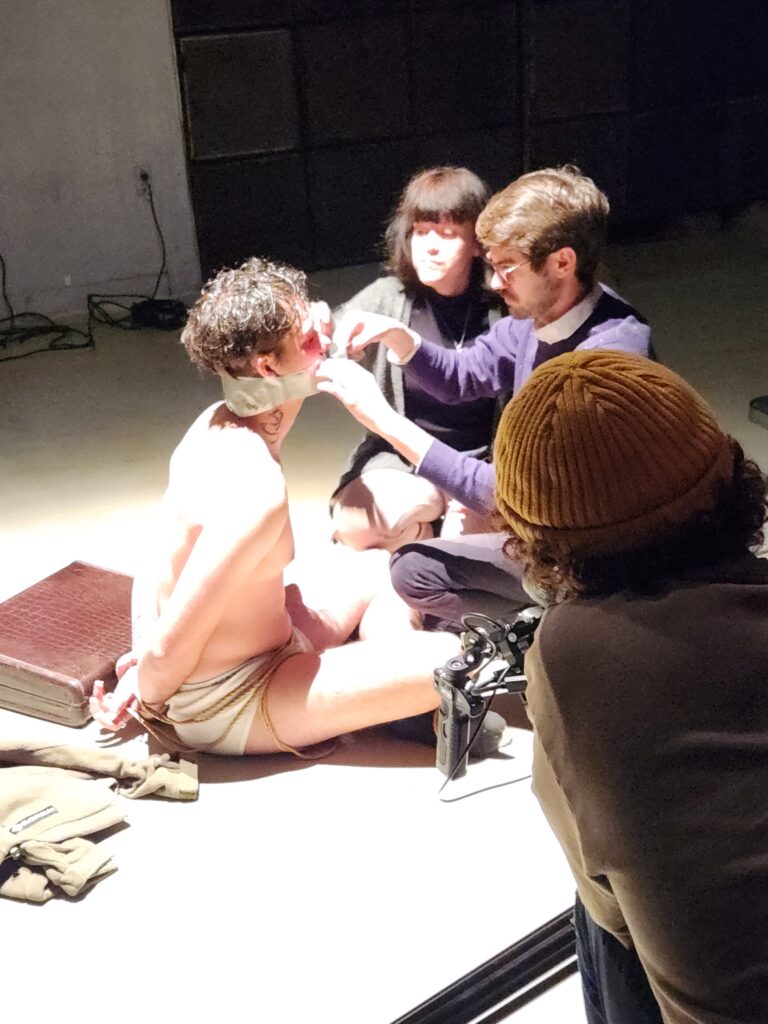
Once we got on set, I was asked to tie a stand-in so they could get some pictures of the tie and get final approval from SZA. The tie came together quickly and we did a few test shots and sent them off to the trailer for review.

The stand in was delightful to work with.

First time being tied, so that always presents some challenges. But she took to the tie well and enjoyed it.

Once we had the photos done, we hung out, waiting for approval. I entertained a lot of questions about what it is that I do, how I got started, where I learned, etc. Always a great opportunity for shibari education!

Everyone was interested, supportive, and helpful.

We must have passed the test, because after a short wait, the AD announced SZA was on the way. The set was closed and after some brief introductions, we got to the main event.

20221221 141337

It was also her first time being tied and she was nervous, asking if it was going to be painful. I told her to let me know if it was and we could always make adjustments. As it turns out, she endured it like a pro, for something like a dozen takes.

I watched each take carefully, making sure things looked good and that SZA was safe.

When the shoot was complete, I asked if I could take a picture to memorialize the event and she smiled and enthusiastically told me that would be fine.

It was a great experience all around and I really love how the video came out.

Rope Night (January 26th, 7 p.m.)

0

Come by the dojo on Thursday the 26th for a night of socializing, tying, and catching up. Have a tie you want to brush up on? Want to check and make sure that you are remembering things right? Want to meet others who love tying? This is the event for you.

Drop by between 7 and 10. The event is free, but RSVPs are required (please don’t RSVP unless you are planning to show up) and space is limited.

I’ll be showing rope videos and there will be plenty of discussion and opportunities to tie.

Come with a partner or alone. Come to tie or if you are just curious about rope.

Gift Certificates for Group Classes

0

We are now offering gift certificates both for private lessons and for our group classes.

You can now give the gift of rope for all kinds of occassions:

  • Holiday celebrations
  • Christmas and New Years gifts
  • Birthdays
  • Anniversaries
  • Wedding gifts
  • Or just to share the joy of rope with friends!

Gift codes for group classes allow the recipient to sign up for any beginner classes on our schedule.

Private lessons will need to be arranged by scheduling a time at the dojo for one on one instruction.